About Us
Copper Peptides for Hair Loss: Are They Worth Considering?
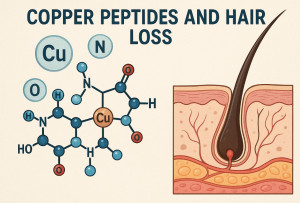
Copper peptides have gained renewed interest among people searching for treatments to slow hair loss or improve scalp health. They are small protein fragments that naturally occur in the body and bind to copper ions. Their role in wound healing and tissue repair has been known for decades, but only in recent years have researchers started exploring how they may influence hair follicle activity and inflammation. While some early evidence is encouraging, they are not a replacement for established treatments such as finasteride, topical minoxidil or hair transplant surgery when hair loss becomes advanced.
Laboratory studies suggest copper peptides may increase the size of hair follicles and prolong the anagen, or growth phase, of the hair cycle by stimulating blood flow and supporting collagen and elastin production. They are also thought to have anti-inflammatory and antioxidant effects on the scalp. These mechanisms are appealing, as inflammation around hair follicles is considered a contributing factor in androgenetic alopecia. Yet it is important to point out that most research has been done either in laboratory settings or small-scale clinical studies, and large, high quality trials in humans remain limited.
In clinical use, copper peptides are often found in topical serums and shampoos. They are generally well tolerated, though some people report temporary scalp irritation. They are not regulated in the same way as licensed medicines, so product quality can vary. Some patients I see at My Hair UK ask whether they can rely on copper peptides for hair loss alone. The honest answer is that while they may support scalp health and possibly improve hair density in the early stages of hair thinning, they are unlikely to address hormone driven hair follicle miniaturisation on their own. For men, finasteride remains the most effective oral treatment for male pattern hair loss, supported by extensive clinical evidence. For women, options are more limited and must be carefully discussed due to hormonal considerations.
Hair transplant surgery becomes a realistic option when hair loss is advanced and medical treatments no longer maintain coverage. At My Hair UK, how much FUE surgery costs start from around £2899 for up to 1000 grafts and rise to approximately £4499 for 3000 grafts, with larger sessions up to 3500 grafts costing £4899. For suitable candidates, surgery offers a permanent redistribution of existing hair, something topical treatments, including copper peptides, cannot achieve. That said, combining surgery with medical therapy often gives the best long-term outcome.
Anyone considering copper peptides or any treatment for hair loss should first understand the underlying cause. Thyroid issues, iron deficiency, stress and autoimmune disorders can all trigger shedding. I advise patients to see their local GP for a general health check before booking a consultation. They can request blood tests to check hormone levels, full blood count, iron, ferritin and thyroid function. This step ensures reversible causes are identified and treated early.
The decision to use copper peptide products is often based on personal preference and tolerance. Some people notice improved hair texture or fewer broken strands after regular use. Others do not see any obvious difference. It is also important to consider the cost of ongoing topical treatments over months or years. In many cases, patients choose a combination of measures, such as prescription medication, dietary improvements, stress management and corrective surgery if needed.
While copper peptides are not a miracle solution, they sit within a broader framework of scalp and hair care that continues to evolve. Current evidence remains mixed but promising enough to justify further exploration. For those who prefer non hormonal options or are early in the hair loss journey, they may offer modest help. For those with more established thinning or receding hairlines, it is still important to seek a professional assessment and discuss reliable options with clear evidence behind them.
Related Articles: